Leadership
The ComSHER Leadership Team consists of the Executive Committee, including the Head, Vice Head, Vice Head-Elect, and co-Research Chairs, as well as officers, including the Teaching Chair, PF&R Chair, and Secretary. In addition, the ComSHER division has two primary committees: the media team and graduate student committee. The 2025 - 2026 Leadership Team can be found below:
Executive Committee
Head
 Kang Namkoong
University of Maryland
namkoong@umd.edu
Kang is an associate professor in the Department of Communication at the University of Maryland. His research examines the interrelationships between emerging media and health communication. Key areas of focus include the effects of web- and mobile-based eHealth systems, cancer communication, occupational health and safety, and mental health. Recently, his research has expanded to investigate the effects of immersive media (e.g., AR and VR) and AI-based health interventions.
Vice-Head
 Sojung (Claire) Kim
George Mason University
skim205@gmu.edu
Sojung (Claire) is an associate professor and a director of the Communication, Health, and Relational Media (CHARM) lab in the Department of Communication at George Mason University. Her research interests broadly lie on intersections of social media, health risk communication, and strategic messaging. Research contexts primarily concern challenging health and environmental issues such as cancer, addiction, vaccination, and climate change.
Vice Head-Elect
 Shupei Yuan
Northern Illinois University
syuan@niu.edu
Shupei Yuan is an associate professor in the Department of Communication at Northern Illinois University. Her research focuses on the support and factors that influence science communicators' engagement with the public, as well as the effects of strategic communication styles in the context of risk, science, and health communication.
Officers
Research Chair
 Kaiping Chen
University of Wisconsin-Madison
kchen67@wisc.edu
Kaiping Chen is an associate professor in computational communication from the University of Wisconsin-Madison, Department of Life Sciences Communication. Her research focuses on using data science methods as well as interviews to study and design effective communication processes to engage diverse publics in science & technology policymaking from climate justice to fairness AI. Her work is interdisciplinary that draws from theories in communication, political science, and computer sciences. Kaiping is also a civic engagement practitioner, helping local governments and communities in the U.S. and China implement innovative public engagement practices. For her work, please check: https://www.kaipingchen.com/
Teaching Chair
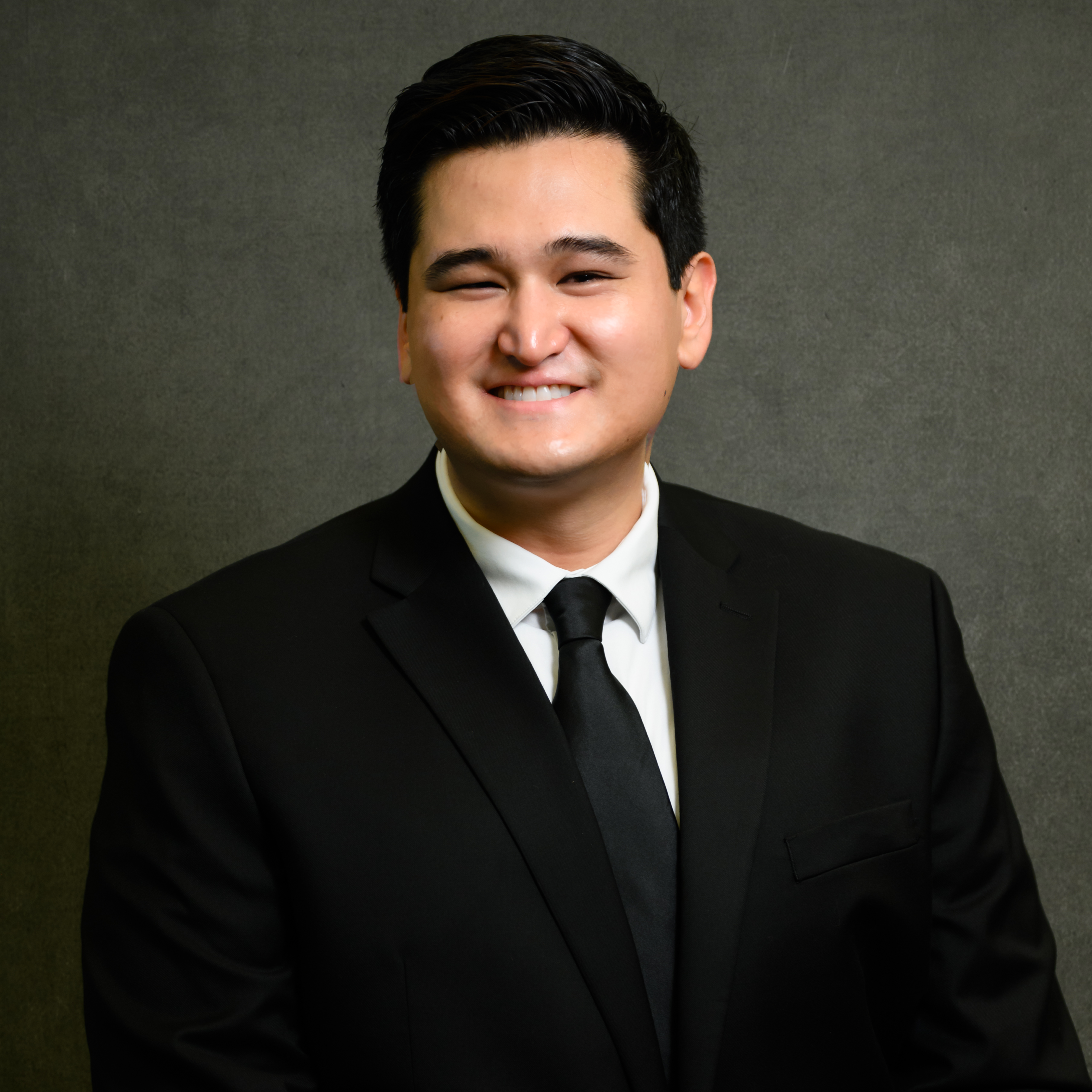 CJ Calabrese
Clemson University
cgcalab@clemson.edu
CJ Calabrese is an assistant professor in the Department of Communication at Clemson University and a faculty scholar at the Clemson University School of Health Research. His research examines the communication effects and processes through which new media and online technologies influence human behaviors and decision-making. For more information, check out his website at https://www.cjcalabrese.com/
PF&R Chair
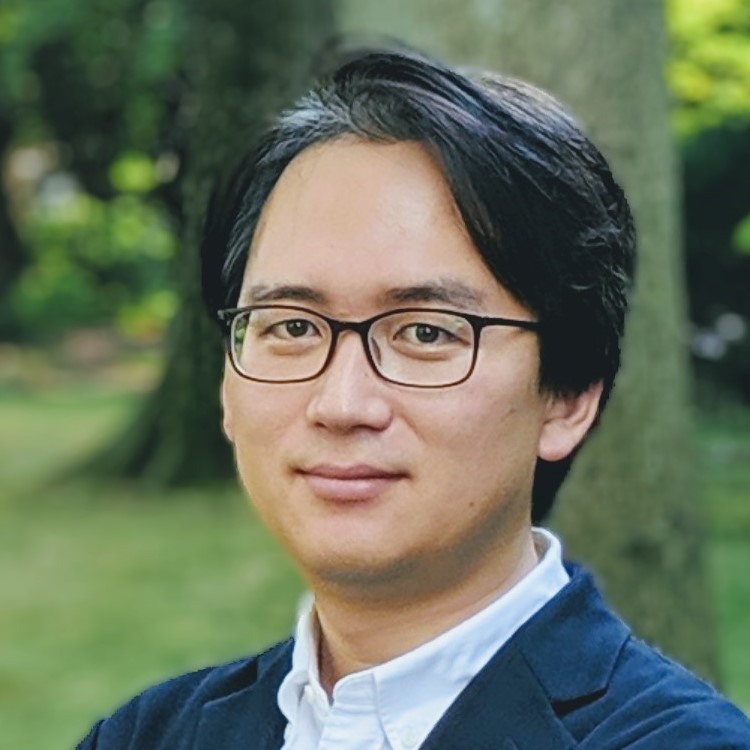 Soojong Kim
University of California, Davis
sjokim@ucdavis.edu
Soojong Kim is an Assistant Professor in the Department of Communication at the University of California Davis. Based on advanced computational and quantitative methods, he studies the impacts of social divisions, risks, and disparities in the context of health, environment, and science. For more information, please visit https://www.soojong.kim
Secretary
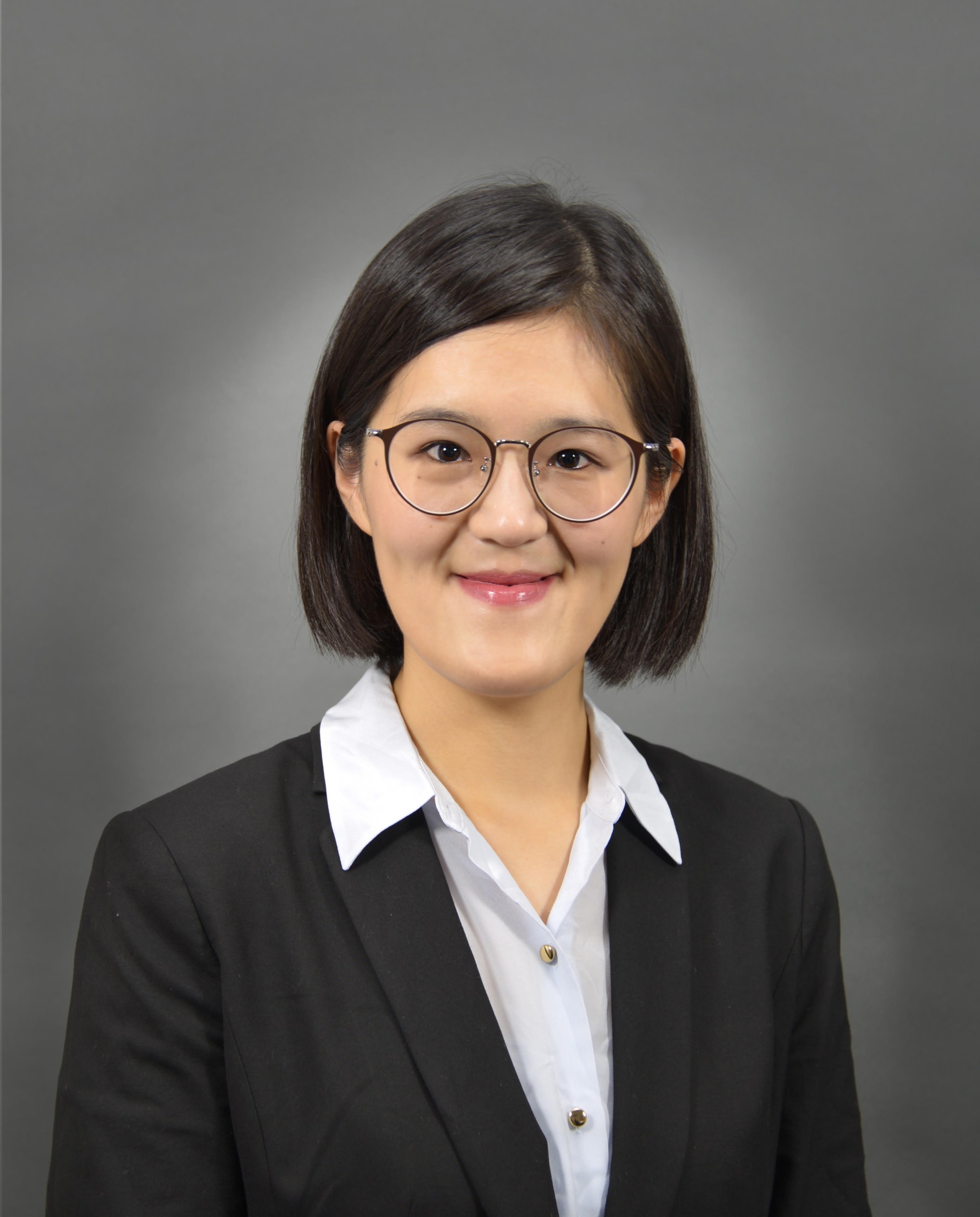 Leona Yi-Fan Su
University of Illinois, Urbana-Champaign
lyfsu@illinois.edu
Dr. Su is an associate professor in the Charles H. Sandage Department of Advertising at the University of Illinois. Her research focuses on the roles of digital technologies such as chatbots and social media in shaping public knowledge, attitudes, and behaviors, and brand communication, particularly in scientific, health, and environmental contexts.